
In the industrial processing sector, precision is not an objective but the starting point. Your flowmeter is the eyes and ears of whatever you are running, whether you are controlling the fine stream of a pharmaceutical ingredient or the high-speed flow of a natural gas pipeline. Nevertheless, when it comes to a Turbine and an Ultrasonic flowmeters, it is not often a matter of choosing which is more desirable; it is simply a matter of selecting the one that best fits the character of your fluid.
One is based on the mechanical motion of a spinning rotor, and the other on the invisible velocity of sound. Both are strangely accurate, but are best suited to wholly different environments. When you pick on price alone, you may end up with a maintenance nightmare; pick on tech specs without thinking of fluid chemistry, and you may end up in the red with your data.
Before we get into the mechanics, it is necessary to recognize that flow measurement is not a one-size-fits-all solution. These meters greatly depend on the performance of:
- Cleanliness of Fluid: Is it clean water or dirty crude?
- Maintenance Access: Are you able to shut down the line for repairs, or do you require a non-invasive solution?
- Precision Requirements: Do you want to measure for an internal monitor or high-stakes custody transfer?
How the Two Technologies Work
Turbine Flowmeters-Spins of Rotor Count
- There is a rotor with a blade in the flow stream.
- The rotor is driven by fluid velocity; as it turns, an electrical pulse is generated by magnetic pick-ups or optical sensors.
- Pulse frequency is proportional to flow rate.
- Mini anecdote: In a dairy plant I audited, a small piece of Teflon tape was fastened around the rotor blade. The meter was under-reported by 12%. That was the day I had the lesson on checking strainers before commissioning.
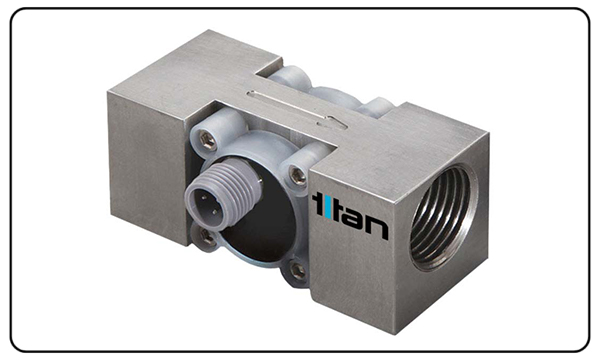
Ultrasonic Flowmeters- Timing Sound Waves
- Sound pulses are alternately sent and received by two (or more) ultrasonic transducers.
- Transit-time models measure the difference in travel time upstream vs. downstream.
- Doppler models track frequency changes resulting from the motion of particles or bubbles within the flow.

Since there are no components that block the pipe, nothing is actually in physical contact with the process fluid- excellent for clean or harmful services.
Accuracy and Measurement Range
| Metric | Turbine | Ultrasonic |
| Typical accuracy | ±0.5 % of reading (lab), ±1 % (field) | ±0.3 – 1 % (transit-time); ±2 % (Doppler) |
| Turn-down ratio | 10:1 (some to 20:1) | 30:1 or higher |
| Best at | Steady, clean, moderate-viscosity liquids | Clean liquids (transit-time) or aerated/slurry flows (Doppler) |
Note: Manufacturer specs vary; always check calibration certificates.
Fluid Compatibility & Installation Constraints
Turbine Sweet Spots
- Low-viscosity fluids (fuels, solvents, water)
- Moderate temperatures ( -50 0 C to 150 0 C)
- Needs straight pipe: 10 D upstream, 5 D downstream (D is the diameter of the pipe)
- Not suitable for dirty or abrasive flows-the wear of blades and drag of bearings will damage precision.
Ultrasonic Advantages
- Plays a broad field: ultrapure water to harsh chemicals, including hot sulfuric acid (with clamp-on sensors).
- No pressure drops; there is nothing in the line.
- May be clamp-on to temporary surveys; convenient when conducting an energy audit or a leak check.
- Sensitive to the wall of pipes: rust or scale may weaken signals.
Maintenance & Lifetime Cost
Turbine
- Moving parts = wear. Bearings require regular replacement (1-3 years in heavy-duty applications).
- Needs calibration following maintenance.
- Reduced initial expenditure (small sizes, about 600) and increased service labor.
Ultrasonic
- Almost maintenance-free; transducer faces may need the occasional wipe.
- Electronics can drift; manufacturers are advised to verify them every 2-3 years.
- Initial expenses will be higher ($1,500-$7,000), but the 5-year cost will be lower when downtime is factored in.
Environmental & Regulatory Considerations
Safety Zones
- Turbine pick-ups installed in hazardous areas (ATEX or Class I, Div 1) should be intrinsically safe.
- All electronics of ultrasonic meters can be out of the danger zone, using clamp-on cables-no hot work allowed during service.
Legal Metrology
- The need to custody-transfer hydrocarbons usually requires the use of turbine meters, as mandated by established API standards (e.g., API MPMS 5.3).
- Water utilities are increasingly accepting ultrasonic meters following the AWWA C715 approval.
Real-World Scenarios
1. Craft Brewery
Problem: Sometimes, yeast particles may block minor clearances.
Selection: A Doppler ultrasonic unit was able to withstand suspended solids and reduce raw material loss by 0.2 %.
2. Loading Rack of Natural Gas Liquids (NGL)
Problem: Requirement ±0.25 % accuracy in billing.
Selection: The in-line pulse-output turbine is connected to the truck-loading PLC and meets API Chapter 5 requirements. An annual prover loop test is what regulators are pleased with.
3. District Energy (Chilled Water)
Problem: Non-intrusive, clamp-on installation; the pipe should not be closed.
Selection: Dual-path transit-time ultrasonic, installed in less than two hours; a weekend shutdown was saved.
Decision Checklist
- Just how much accuracy do you really require?
- Is the fluid clean, or does it contain solids/bubbles?
- Are you able to spare a pressure drop?
- Are maintenance windows tight?
- Standards to be met by the regulations?
- Budget: initial vs. lifecycle?
“Borrow or rent a clamp-on ultrasonic first when in doubt: a two-day trial can save two years of headache.”
Conclusion
When deciding between turbine and ultrasonic flowmeters, it is a strategic decision that considers short-term technical needs and long-term operational expenses. The turbine flowmeters have remained a standard in the industry due to their high accuracy and reliability under clean, steady flow conditions. Their mechanical character, however, demanded a vigorous maintenance program to handle bearing wear and avoid inaccuracies caused by fluid debris, since they operate under a bladed rotor in the flow stream.
Ultrasonic flowmeters, on the other hand, are a contemporary, flexible approach that is efficient in harsh conditions. These meters provide non-invasive measurements that avoid pressure drops and enable large turn-down ratios by using sound waves rather than mechanical motion. Although the initial capital expenditure is usually higher, the likelihood of reduced downtime and maintenance can typically lead to a more desirable total cost of ownership over the instrument’s lifecycle.
Finally, the most appropriate fit lies in matching the meter’s strengths to the conditions of your process, regulatory needs, and the culture of maintaining our organization. In critical applications where the decision is not straightforward, it is advisable to conduct a field trial or consult a certified instrumentation specialist. By taking the time to conduct a proper assessment now, you will ensure high-quality measurements and avoid expensive surprises during future operations.